

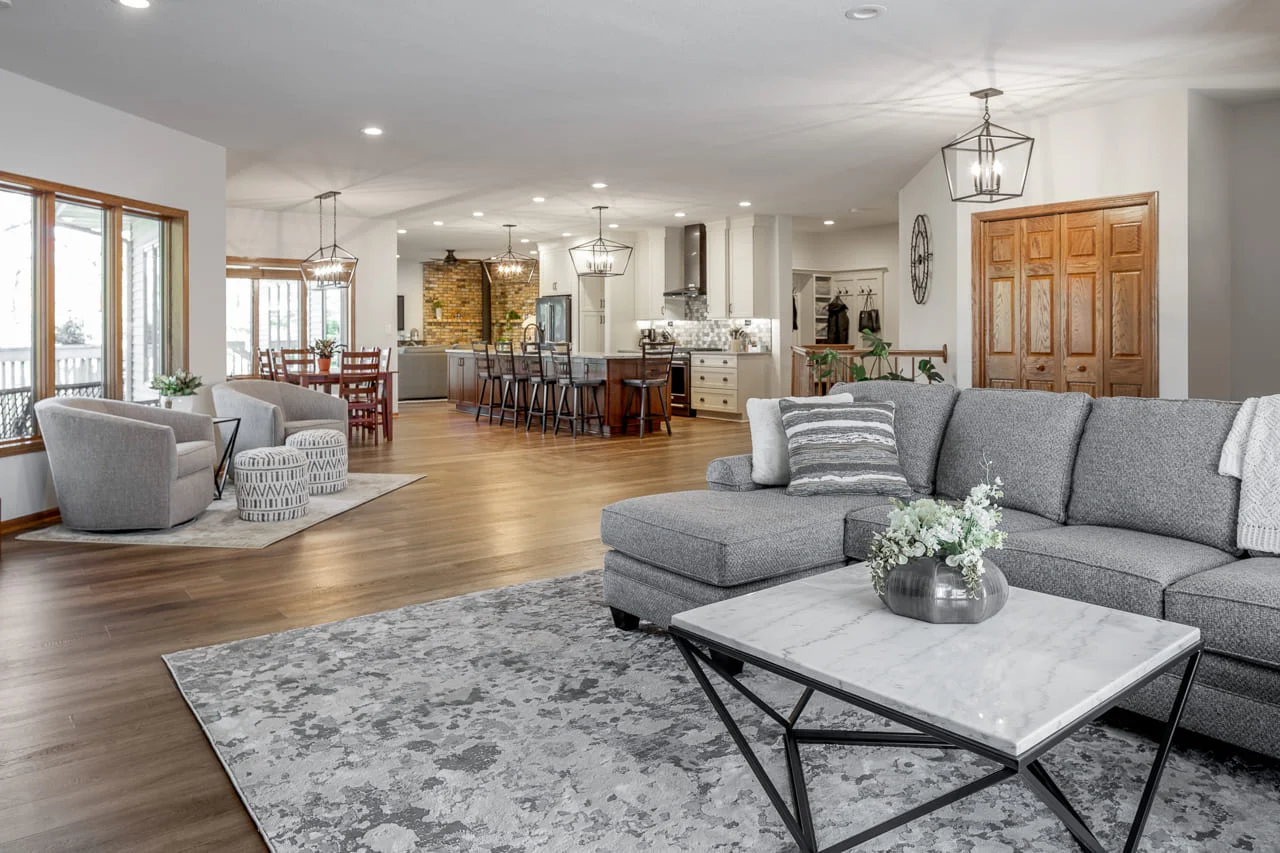
Remodeling is more than just a change in appearance; it is the process of reshaping, improving, and redefining a home or commercial space to match evolving lifestyles, needs, and design trends. For many, remodeling is both a practical necessity and a creative expression. From updating kitchens to fully reimagining entire properties, the remodeling process demands careful planning, smart budgeting, and informed decision-making.
Understanding the Purpose of Remodeling
Every remodeling project begins with a purpose. Some homeowners remodel to improve functionality, while others do it to increase property value. The anchor text remodeling also comes into play when spaces no longer meet lifestyle needs, such as accommodating growing families, creating work-from-home setups, or improving accessibility for elderly members.
Key purposes include:
- Enhancing comfort and convenience
- Increasing home efficiency and sustainability
- Boosting property market value
- Upgrading outdated styles or layouts
- Customizing living spaces for unique personal needs
The Planning Stage: Setting a Clear Vision
Planning is the cornerstone of any successful remodeling project. Without it, costs spiral, timelines stretch, and the end result often disappoints. Homeowners should create a detailed plan that outlines both their must-haves and nice-to-haves.
Steps in the Planning Process
- Defining goals: Clarify whether the focus is on aesthetics, functionality, or both.
- Establishing a budget: Factor in labor, materials, permits, and unexpected costs (typically 10–15% extra).
- Design inspiration: Collect visuals, mood boards, or professional sketches to ensure clarity of vision.
- Prioritizing projects: Tackle the most impactful or urgent areas first.
Budgeting: Balancing Quality and Affordability
Budgeting is not about cutting corners, but about maximizing value. A well-thought-out budget accounts for high-quality materials where they matter most, while balancing cost-effective alternatives in less critical areas.
Smart Budgeting Tips
- Invest in structural integrity and energy efficiency before splurging on décor.
- Compare material options like hardwood vs. engineered wood, quartz vs. granite.
- Request multiple contractor quotes to find fair pricing.
- Include contingency funds for hidden damages (e.g., plumbing or electrical issues revealed during demolition).
Kitchen Remodeling: The Heart of the Home
Kitchens remain the most popular remodeling projects because they serve as the hub of modern living. A remodeled kitchen combines functionality with beauty, ensuring it meets both cooking and social needs.
Popular Kitchen Remodeling Trends
- Open floor plans connecting kitchens with living areas
- Energy-efficient appliances with smart technology
- Large kitchen islands with seating
- Hidden storage solutions and custom cabinetry
- Sustainable materials like bamboo, recycled glass, or quartz countertops
Bathroom Remodeling: Combining Functionality and Luxury
Bathrooms are another high-return remodeling project. A functional bathroom upgrade not only improves daily comfort but can also enhance property value significantly.
Key Bathroom Upgrades
- Walk-in showers with frameless glass doors
- Freestanding tubs as focal points
- Heated flooring for comfort
- Water-saving fixtures to reduce utility bills
- Spa-inspired features like rainfall showers and dimmable lighting
Living and Sleeping Spaces: Personalizing Comfort
Remodeling living rooms and bedrooms often revolves around lifestyle and personalization. These spaces are where comfort, entertainment, and relaxation intersect.
Remodeling Ideas
- Installing energy-efficient windows for natural light
- Adding custom built-in shelves or entertainment centers
- Soundproofing walls for bedrooms
- Creating multipurpose spaces with convertible furniture
- Upgrading flooring with hypoallergenic and durable materials
Whole-Home Remodeling: A Transformational Approach
Whole-home remodeling involves reconfiguring layouts, expanding square footage, and sometimes even structural changes. It’s more complex but allows homeowners to fully align their property with long-term goals.
Considerations for Whole-Home Projects
- Hiring architects or designers for major structural changes
- Securing building permits and ensuring compliance with zoning laws
- Evaluating the return on investment compared to relocating
- Phasing projects to minimize disruption during construction
Sustainable and Eco-Friendly Remodeling
Sustainability is no longer optional—it’s a priority. Eco-friendly remodeling reduces long-term energy costs and aligns with environmentally conscious living.
Sustainable Practices
- Installing solar panels or energy-efficient HVAC systems
- Using low-VOC paints and non-toxic finishes
- Incorporating reclaimed wood and recycled materials
- Adding rainwater harvesting systems
- Designing with natural ventilation and daylighting
Choosing Professionals vs. DIY
One of the biggest decisions in remodeling is whether to hire professionals or take the DIY route. Both have advantages depending on skill level, budget, and project complexity.
- DIY remodeling: Suitable for painting, landscaping, and minor updates. It saves money but requires time and knowledge.
- Professional remodeling: Essential for plumbing, electrical, roofing, and structural work. Guarantees safety and compliance with building codes.
Common Remodeling Mistakes to Avoid
Even the best-intentioned remodeling projects can falter without foresight. Homeowners should be aware of pitfalls that could lead to regret.
- Ignoring hidden structural or safety issues
- Over-personalizing to the point of hurting resale value
- Underestimating costs and timelines
- Choosing style over durability
- Failing to secure proper permits
Maximizing Property Value Through Remodeling
Remodeling isn’t only about comfort; it’s also about financial strategy. Strategic upgrades can boost resale value and provide long-term returns.
High-ROI projects include:
- Kitchen upgrades
- Bathroom renovations
- Energy-efficient improvements
- Curb appeal enhancements like siding and landscaping
- Finished basements or attics
Remodeling for Modern Lifestyles
Today’s remodeling projects often reflect lifestyle shifts, such as remote work or multigenerational living. Flexible spaces are increasingly important.
- Home offices: Built-in desks, soundproof walls, and strong internet wiring.
- Multigenerational living: Separate entrances, second kitchens, or in-law suites.
- Entertainment spaces: Home theaters, game rooms, or bars for social gatherings.
- Wellness spaces: Gyms, meditation rooms, or spa-inspired bathrooms.
The Future of Remodeling
Technology and innovation are shaping the future of remodeling. Smart homes, modular construction, and AI-driven design tools are becoming mainstream.
Emerging Trends
- Smart appliances connected to home automation systems
- Augmented reality (AR) apps for visualizing remodels before construction
- Prefabricated modular rooms for faster and cheaper installations
- Integration of health-focused features like air filtration and circadian lighting
FAQs About Remodeling
What is the average timeline for a remodeling project?
Small projects may take 2–4 weeks, while major remodels can extend to 6 months or more depending on complexity.
How can I remodel on a tight budget?
Focus on cosmetic changes like painting, lighting, and hardware upgrades. Consider refinishing instead of replacing items like cabinets.
Which remodeling projects give the best return on investment?
Kitchen remodels, bathroom renovations, and energy-efficient improvements consistently yield high ROI.
Do I need permits for all remodeling projects?
Permits are usually required for structural, plumbing, or electrical work but not for cosmetic updates. Always check local regulations.
How do I avoid going over budget?
Set a detailed budget with a contingency fund, get fixed-price quotes, and avoid frequent mid-project changes.
What should I prioritize first in a whole-home remodel?
Address safety and structural concerns before aesthetic upgrades. Start with plumbing, electrical, roofing, and foundation stability.
