

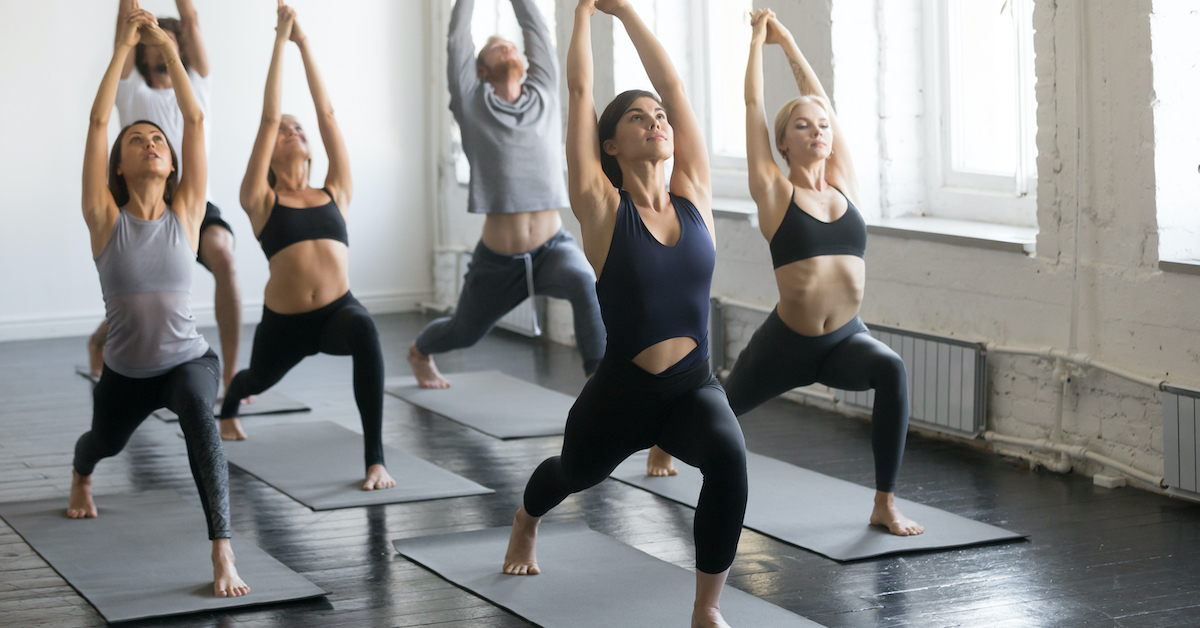
For many in Singapore, yoga has evolved from an occasional fitness class into a lifelong practice of balance, clarity, and inner strength. Yet, between work commitments, travel time, and unpredictable schedules, attending in-person sessions consistently can sometimes feel challenging. The solution lies in building a personal yoga space at home — one that complements the structure, guidance, and community of professional yoga classes Singapore while allowing flexibility for solo practice.
Why a Home Yoga Space Matters
A home yoga space is not merely about convenience. It is about continuity. Practicing at home reinforces the postures, breathing techniques, and mindfulness cultivated in the studio. Each time you step into your space, you remind your body and mind of what you’ve learned under expert instruction.
More importantly, it offers a consistent environment for reflection and restoration. After a long day navigating Singapore’s demanding urban rhythm, even 15 minutes in a familiar, calming space can restore energy and reduce stress levels significantly.
Designing for Small Singapore Homes
Homes in Singapore, particularly apartments and condominiums, often come with limited floor space. The challenge, then, is to create a corner that feels expansive, even within compact layouts.
Here are practical strategies:
-
Use multi-purpose areas: A section of the living room or bedroom can easily transform into a yoga corner with a simple mat and a few props.
-
Natural light matters: Position your mat near a window or balcony to benefit from natural sunlight, which boosts mood and focus.
-
Choose calming tones: Colours such as beige, sage, or off-white reflect light and create an airy, grounded feel.
-
Declutter: The fewer distractions, the more focused your practice. Keep only essential items within sight.
-
Storage solutions: Use baskets or low shelves to store yoga blocks, straps, bolsters, or towels neatly.
By keeping the setup minimal yet intentional, you can transform even a small space into a sanctuary that promotes mindfulness.
Essential Elements for a Functional Setup
The goal is not to replicate a professional studio but to create a supportive atmosphere. Focus on the senses — sight, sound, touch, and scent — to anchor attention and elevate the experience.
-
Yoga Mat and Props
Invest in a high-quality mat with strong grip and cushioning. Props such as blocks, straps, and bolsters help you modify poses safely, especially if you are recovering from injury or fatigue. -
Lighting and Ambience
Opt for warm, adjustable lighting. Soft, diffused lamps or candles add tranquillity. Avoid harsh overhead lights that strain the eyes. -
Sound and Music
Use low-volume instrumental or nature sounds to aid concentration. Avoid distractions like television or loud devices nearby. -
Aromatherapy
Essential oils such as lavender, sandalwood, or eucalyptus can instantly shift the mood. A light diffuser or incense stick helps create a meditative atmosphere. -
Temperature Control
Singapore’s humidity can be challenging. Keep your space cool and comfortable using a fan or air purifier. Maintaining a consistent environment helps with focus and physical endurance.
Building a Routine That Complements Studio Practice
Practicing both at home and in the studio offers the best of both worlds. Studio sessions provide professional guidance, precise alignment, and community motivation, while home practice builds consistency and self-awareness.
A practical approach might look like this:
-
Attend two studio sessions weekly to refine technique and learn advanced postures under expert supervision.
-
Add two home sessions weekly focused on breathwork, restorative poses, or sequences that address your personal goals (such as flexibility or stress relief).
-
Dedicate one short morning ritual (10–15 minutes of meditation or stretching) to set a calm tone for the day.
This balanced rhythm ensures that your practice remains steady, even on days when commuting to a studio feels impossible.
Digital Tools for Structure and Accountability
Technology can help you stay consistent. The Yoga Edition mobile app, for example, simplifies class bookings, waitlists, and schedule tracking. Integrating digital reminders or smart-home features like calming music automation can enhance focus during your home sessions.
You can even record your personal sequences or log your progress weekly. Combining data with mindfulness gives structure without removing spontaneity.
Avoiding Common Mistakes in Home Practice
Without professional guidance, self-practice can sometimes lead to overexertion or inconsistent form. To avoid setbacks:
-
Warm up thoroughly: Begin with joint rotations or gentle stretches before moving into deeper poses.
-
Focus on alignment: Record yourself occasionally or use mirrors to check posture accuracy.
-
Avoid distractions: Turn off phones and notifications to maintain immersion.
-
End with stillness: A short meditation or savasana anchors both body and mind.
When uncertainty arises, revisit studio sessions to refine technique and prevent injury.
Emotional and Mental Benefits of a Personal Yoga Space
Beyond physical training, a home yoga space nurtures emotional wellbeing. It becomes a private zone of calm amidst external demands. Over time, stepping onto your mat creates a psychological signal to slow down and reconnect.
The benefits include:
-
Reduced anxiety: Repeated association of space with stillness lowers daily stress levels.
-
Improved emotional clarity: Consistent meditation fosters better decision-making and patience.
-
Enhanced discipline: Maintaining a personal space reinforces commitment to self-care.
This emotional continuity complements the collective energy experienced in studio classes, creating a full-spectrum wellness cycle.
Balancing Studio and Home Practice
Regular participation in structured sessions at Yoga Edition ensures safe progression and exposure to new techniques, while your home space helps sustain those learnings. The two experiences feed into each other — studio classes build expertise, and home sessions build consistency.
Many Singaporeans find that this hybrid approach reduces burnout, improves flexibility faster, and provides emotional stability, especially during busy work periods or travel.
Real-Life Scenario: Blending Studio and Home Practice
Consider a marketing executive who attends two evening yoga classes weekly and practices at home on alternate days. The home setup — a quiet balcony corner with a mat, light diffuser, and simple sound playlist — allows her to maintain flow and flexibility between work hours.
Over months, she reports improved concentration, reduced back tension, and a stronger sense of calm throughout her workday. The synergy between studio learning and home application makes her progress steady and sustainable.
FAQs
Q1. How much space is ideal for a home yoga setup?
A minimum of 2m x 2m is sufficient for most postures. Ensure your arms can extend freely in all directions without obstruction.
Q2. Should I try to replicate studio heat or lighting?
No, comfort and safety are the priority. While some prefer warmth for flexibility, overheating can cause fatigue. Aim for moderate room temperature and soft lighting.
Q3. How often should I balance home and studio sessions?
Two to three studio classes weekly, complemented by one to two shorter home sessions, offer a balanced routine for most practitioners.
Q4. What’s the best time of day for home yoga practice?
Early mornings or evenings work best, when distractions are minimal. Morning sessions energise the day; evening ones support relaxation.
Q5. Can beginners create a home yoga space too?
Yes. Even beginners benefit from a simple, comfortable corner. Start small, attend guided classes regularly, and let your space evolve as your confidence grows.
A thoughtfully designed home yoga space in Singapore offers far more than convenience. It is a personal retreat that strengthens your connection to practice, enhances what you learn in professional classes, and creates balance amidst a demanding lifestyle. By combining the structure of studio learning with the intimacy of home practice, you build not only physical resilience but also emotional steadiness — the true essence of yoga.
