

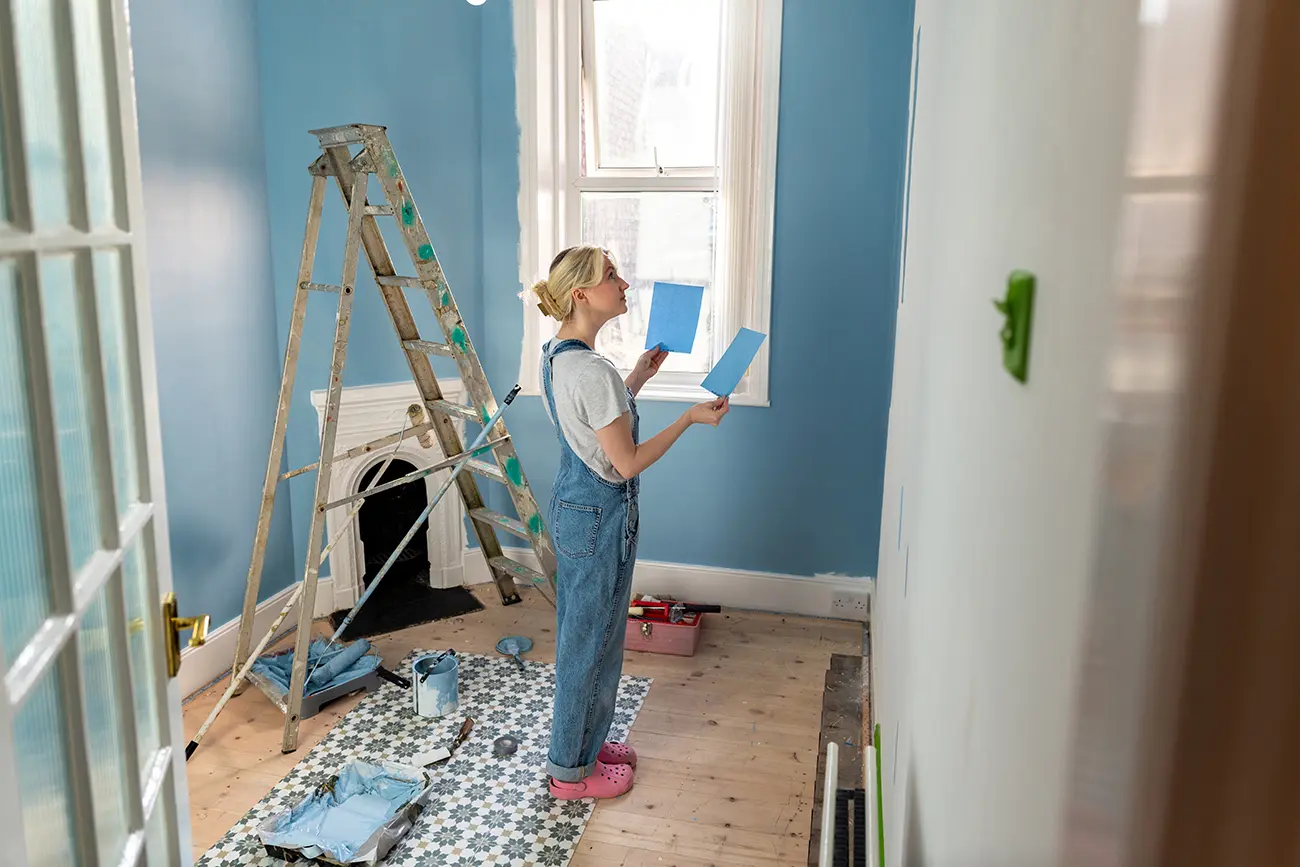
Remodeling is more than updating the look of a home or office; it is a strategic process that combines design, functionality, and value enhancement. Whether you are reimagining a kitchen, expanding a bathroom, or transforming an outdated commercial property, thoughtful remodeling creates spaces that align with modern lifestyles while increasing long-term property value.
Why Remodeling Matters
A remodel allows property owners to adapt their spaces to evolving needs. Families grow, work-from-home setups emerge, and older structures often fall short of modern standards. Through remodeling, you can:
- Improve functionality for daily living or work
- Boost energy efficiency with modern materials and technology
- Increase property value for resale or rental purposes
- Personalize your space to match lifestyle and taste
The keyword remodeling reflects not only the physical changes but also the long-term investment in quality of life.
Planning the Remodeling Process
Successful remodeling begins with a clear plan. Without defined objectives and budgets, projects can easily spiral into delays and overspending. Key steps include:
Define Objectives
- Identify why you want to remodel (comfort, resale value, modern aesthetics).
- Decide which rooms or areas require transformation.
- Create a vision board of preferred designs, colors, and materials.
Establish a Budget
- Set a realistic figure based on market rates and project scope.
- Allocate 10–15% for unexpected expenses.
- Research financing options if needed, such as renovation loans.
Hire Skilled Professionals
- Architects and designers for structural and aesthetic planning
- Licensed contractors to ensure compliance and safety
- Specialists for electrical, plumbing, and HVAC systems
Residential Remodeling Trends
Modern homeowners focus on functionality, sustainability, and aesthetics. Popular upgrades include:
Kitchen Remodeling
The kitchen is often the heart of the home. Current trends emphasize:
- Open layouts connecting the kitchen to living spaces
- Energy-efficient appliances
- Durable quartz or granite countertops
- Smart storage solutions like pull-out pantries
Bathroom Remodeling
Bathrooms are evolving into spa-like retreats with:
- Walk-in showers with glass enclosures
- Freestanding bathtubs
- Heated flooring systems
- Eco-friendly fixtures that conserve water
Living and Bedroom Spaces
- Accent walls and natural lighting solutions
- Built-in wardrobes for maximizing space
- Home offices integrated into bedrooms or spare rooms
Commercial Remodeling Considerations
For business spaces, remodeling is not only aesthetic but also operational. Offices, restaurants, and retail outlets require specific adjustments:
- Open-plan layouts that encourage collaboration
- Energy-efficient lighting to reduce operational costs
- ADA-compliant accessibility upgrades
- Modern reception areas that leave a strong first impression
A remodel in a commercial setting often ties directly to increased productivity, customer satisfaction, and overall profitability.
Structural and Safety Upgrades
Beyond cosmetic changes, remodeling can address safety and durability:
- Reinforcing foundations and beams
- Upgrading wiring to meet code requirements
- Installing fire-resistant materials
- Adding insulation for temperature regulation
Sustainability in Remodeling
Eco-conscious remodeling is gaining momentum as people seek energy efficiency and environmental responsibility. Strategies include:
- Using recycled or reclaimed wood
- Installing solar panels
- Choosing low-VOC paints for better indoor air quality
- Designing layouts to maximize natural light
Cost Factors in Remodeling
Several elements affect the overall cost of a remodel:
- Size of the project: Larger square footage naturally increases expense.
- Material selection: High-end finishes significantly impact the budget.
- Labor rates: Skilled trades often charge premium fees.
- Timeline: Delays or phased construction can add costs.
Managing the Remodeling Timeline
A remodel requires balancing speed with precision. Typical timelines are:
- Small projects (bathroom updates): 4–6 weeks
- Medium projects (kitchen remodels): 8–12 weeks
- Large-scale remodels (whole home): 3–6 months
Delays may arise from material shortages, weather conditions, or unexpected structural issues. Effective project management minimizes these risks.
Technology in Remodeling
Modern tools have revolutionized remodeling planning:
- 3D rendering software to visualize designs
- Virtual reality walkthroughs for immersive previews
- Smart home integrations including automated lighting, security, and climate control
Long-Term Value of Remodeling
While remodeling requires significant investment, the returns can be substantial:
- Kitchen remodels often recoup 60–70% of their cost upon resale
- Energy-efficient upgrades save ongoing utility costs
- Modernized commercial spaces attract higher-paying tenants
Common Challenges in Remodeling
Every remodel faces obstacles. Being prepared for them is key:
- Budget overruns due to underestimated material costs
- Permit delays slowing progress
- Structural surprises like outdated wiring or hidden leaks
- Miscommunication between homeowners and contractors
FAQs About Remodeling
What is the difference between remodeling and renovation?
Renovation usually refers to restoring something to its original condition, while remodeling involves altering the structure, layout, or design for an entirely new result.
How do I know if my remodeling project requires permits?
Most projects that alter structure, plumbing, or electrical systems require permits. Cosmetic updates like painting typically do not. Always check with your local building authority.
Can remodeling increase energy efficiency?
Yes. Adding insulation, upgrading windows, and using modern HVAC systems can significantly reduce energy usage and monthly bills.
What mistakes should I avoid in remodeling?
Avoid rushing into construction without a clear plan, hiring unlicensed contractors, or skimping on quality materials that will need replacement sooner.
How can I minimize disruptions during a remodel?
Plan to remodel in phases, create temporary living or working setups, and maintain consistent communication with contractors.
Does remodeling always increase property value?
Not always, but well-executed remodels—especially kitchens, bathrooms, and energy-efficient upgrades—tend to deliver strong returns in the real estate market.
