

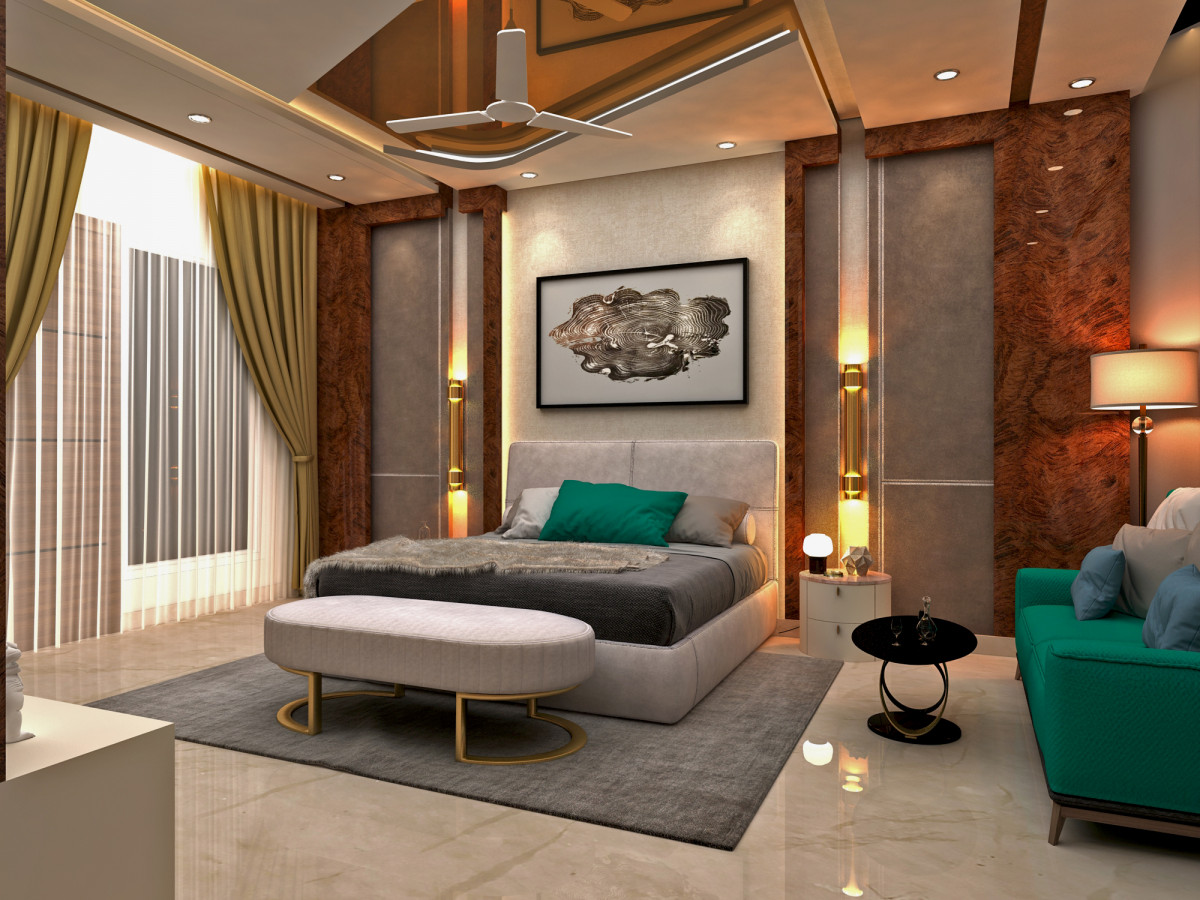
Interior design is far more than just picking colors and arranging furniture. It is the art and science of shaping indoor environments that not only look beautiful but also serve the psychological, functional, and cultural needs of the people who live or work within them. Today, interior design influences wellness, sustainability, and technology integration in ways that go beyond mere decoration.
The Evolution of Interior Design
From ancient civilizations to modern lofts, the history of interior design reflects how human societies have changed. Early Egyptians used symbolic colors and ornate carvings to convey power and spirituality. The Romans mastered luxury with mosaics and architectural details, while the Renaissance emphasized symmetry and proportion. By the 20th century, interior design became its own profession, blending architecture, art, and ergonomics. Today, interior design is increasingly focused on user-centered spaces that balance comfort, technology, and sustainability.
Core Principles of Interior Design
Every well-designed interior draws from a few essential principles:
- Balance: Distributing visual weight across a space, whether through symmetrical layouts or asymmetrical arrangements that still feel cohesive.
- Proportion and Scale: Matching furnishings and features to the size of a room so nothing feels out of place.
- Harmony and Unity: Ensuring that colors, textures, and patterns complement each other rather than compete.
- Rhythm: Creating flow through repeating elements like lighting, colors, or shapes.
- Focus and Contrast: Establishing focal points such as a fireplace, artwork, or statement furniture piece to anchor the room.
These fundamentals ensure that a space feels intentional and functional, no matter the style.
Interior Design for Modern Lifestyles
Contemporary interior design is shaped by how people live today. Open floor plans, multifunctional furniture, and adaptive spaces allow homes to serve as workplaces, gyms, and sanctuaries simultaneously. Designers often use zoning techniques with furniture or lighting to divide open layouts into distinct areas without the need for walls.
Wellness-Centered Spaces
With increased awareness of health and well-being, interior design now integrates wellness at every level:
- Biophilic design: Bringing in natural light, plants, and organic textures to reduce stress and enhance creativity.
- Air quality and acoustics: Choosing materials and layouts that reduce noise pollution and improve indoor air.
- Lighting design: Using circadian lighting systems that mimic natural daylight patterns to boost energy during the day and relaxation at night.
Sustainability in Interior Design
Eco-friendly design is no longer optional. Modern interiors focus on:
- Sustainable materials: Bamboo, reclaimed wood, cork, and recycled metals are popular for their durability and reduced environmental impact.
- Energy efficiency: Smart thermostats, LED lighting, and insulated windows help reduce energy consumption.
- Longevity: Selecting timeless, durable pieces over disposable trends reduces waste.
Designing for Functionality and Flow
Interior design balances aesthetics with practical usability. Each type of space demands a different approach:
Residential Spaces
Homes prioritize comfort and personal expression. Living rooms may use layered lighting and warm color palettes to encourage relaxation. Kitchens emphasize workflow through the “work triangle” principle connecting the stove, sink, and refrigerator. Bedrooms focus on restorative design, with soft textures and calming tones.
Commercial Spaces
Workplaces must balance productivity and creativity. Open offices often integrate acoustic panels, flexible seating, and zones for collaboration. Retail interiors use layout psychology, guiding customers through spaces to maximize engagement with products.
Hospitality and Public Interiors
Hotels, restaurants, and cultural centers prioritize experience. Designers create atmospheres that are immersive, memorable, and aligned with brand identity.
The Role of Technology in Interior Design
Digital innovation is reshaping the way interiors are imagined and experienced:
- 3D modeling and VR: Designers can create virtual walk-throughs, helping clients visualize spaces before construction.
- Smart home integration: Voice-controlled lighting, temperature, and entertainment systems bring convenience and futuristic appeal.
- Parametric design: Algorithms allow for customized furniture and installations, tailored to the exact needs of a client.
Styles of Interior Design
While every project is unique, a few key styles dominate modern interiors:
- Minimalist: Clean lines, uncluttered layouts, and neutral palettes that emphasize function.
- Industrial: Exposed brick, steel, and raw finishes that celebrate utility and structure.
- Modern farmhouse: A blend of rustic textures with contemporary comfort.
- Mid-century modern: Organic curves, bold colors, and streamlined furniture from the mid-20th century.
- Luxury contemporary: Polished surfaces, statement lighting, and high-end finishes that radiate sophistication.
Understanding style is less about strict categories and more about curating a mix that aligns with lifestyle and personality.
Psychology of Interior Design
Color psychology and spatial perception play a huge role in shaping mood:
- Warm tones like red and orange stimulate energy and conversation, making them great for dining rooms.
- Cool tones like blue and green evoke calmness, ideal for bedrooms and bathrooms.
- Neutrals create balance and versatility, often serving as the canvas for accent elements.
Even ceiling height, natural light, and texture influence how spacious or intimate a room feels.
The Future of Interior Design
As the world changes, so will interiors. Some emerging trends include:
- Adaptive reuse: Transforming old buildings into modern, functional spaces while preserving character.
- Inclusive design: Creating interiors accessible to people of all ages and abilities, focusing on universal design principles.
- Cultural fusion: Blending global influences to create unique, personalized interiors.
- Smart sustainability: Integrating energy-positive homes that generate more power than they consume.
Frequently Asked Questions
What makes interior design different from decorating?
Decorating focuses on surface aesthetics like furniture, fabrics, and accessories. Interior design includes structural considerations, spatial planning, lighting design, and integration of function with form.
How can interior design improve productivity at home or work?
Strategic layouts, ergonomic furniture, and lighting design can reduce fatigue and increase focus. For home offices, acoustic control and proper task lighting are especially important.
What role does interior design play in real estate value?
Well-designed interiors significantly increase property value by making spaces more appealing, functional, and move-in ready.
How do interior designers account for cultural influences?
Cultural heritage often shapes color schemes, motifs, and spatial layouts. For example, Feng Shui principles guide energy flow, while Mediterranean interiors emphasize airy openness.
Can interior design impact mental health?
Yes. Spaces that use biophilic design, calming color palettes, and ergonomic furnishings reduce stress, promote relaxation, and support mental well-being.
Is sustainable interior design more expensive?
Not necessarily. While some eco-friendly materials have higher upfront costs, they often last longer and reduce energy bills, making them cost-effective over time.
