

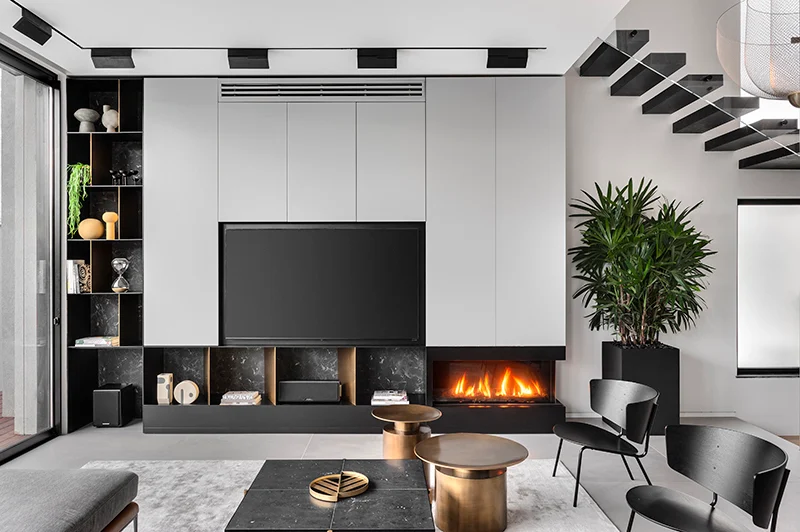
The Essence of Interior Design
Interior design is more than decorating a space with stylish furniture or trendy colors. It is the strategic and artistic process of shaping environments to enhance functionality, comfort, and visual appeal. A well-designed interior integrates architecture, furniture, lighting, and décor into a harmonious experience that supports both lifestyle and productivity. Today, interior design plays a pivotal role in homes, workplaces, hospitality, and public spaces, influencing how people feel, behave, and interact.
Principles of Interior Design
Every effective design project begins with foundational principles. These provide the framework for decisions that determine the final look and feel of a space.
Balance
Balance refers to the distribution of visual weight in a room. Designers use symmetrical, asymmetrical, or radial balance depending on the desired mood. For example, a formal living room may feature symmetrical arrangements, while a creative office benefits from asymmetry.
Rhythm
Just as in music, rhythm in design involves repetition and contrast to guide the eye through a space. Patterns, alternating colors, and recurring shapes create flow and cohesion.
Harmony and Unity
A successful design ties all elements together. Even when different textures or bold colors are introduced, unity ensures they complement one another rather than compete.
Emphasis
Every space benefits from a focal point. Whether it is a fireplace, a statement chandelier, or a piece of art, emphasis anchors the room and draws attention.
Scale and Proportion
The size of furniture and objects must relate well to the dimensions of the space. Oversized sofas can overwhelm small rooms, while tiny décor items may look lost in large open layouts.
Key Interior Design Styles
Interior design embraces a wide variety of styles that reflect personal preferences and cultural influences. Some of the most notable include:
- Modern: Clean lines, open spaces, and minimal decoration.
- Contemporary: Current trends with flexible adaptability.
- Traditional: Classic furniture, rich wood, and elegant fabrics.
- Industrial: Raw finishes, exposed brick, and metal fixtures.
- Minimalist: Simplicity, neutral palettes, and clutter-free design.
- Bohemian: Eclectic, vibrant, and globally inspired.
- Scandinavian: Light colors, natural wood, and functional beauty.
- Transitional: A balance of traditional and modern elements.
Each style can be adapted for different spaces, from small apartments to luxury residences.
Space Planning in Interior Design
Space planning is at the core of every project. Without it, even the most beautiful furniture and accessories fail to serve their purpose.
- Traffic Flow: Ensuring people move through spaces comfortably without obstacles.
- Zoning: Defining areas for work, relaxation, dining, or entertainment.
- Storage Integration: Built-in cabinets and multifunctional furniture maximize efficiency.
- Lighting Strategy: Natural and artificial light must be layered to create ambiance and functionality.
A professional designer often creates detailed floor plans, 3D models, and mood boards to visualize how these elements will interact.
The Role of Color Psychology
Color is one of the most powerful tools in design. It can transform the mood of a room instantly.
- Blue: Calming and ideal for bedrooms or offices.
- Green: Refreshing, associated with nature, suitable for living areas.
- Red: Energetic, often used as an accent in dining or entertainment spaces.
- Yellow: Bright and cheerful, effective in kitchens or creative studios.
- Neutral tones: Provide versatility and a timeless backdrop.
Color schemes must also consider natural light, artificial lighting, and the size of the space.
Materials and Textures
Interior design thrives on sensory experiences. The choice of materials and textures adds depth and character.
- Wood: Warm, natural, and versatile across styles.
- Stone and Marble: Luxurious, often used in bathrooms and kitchens.
- Metal: Adds sleekness, especially in modern and industrial settings.
- Textiles: Rugs, curtains, and upholstery contribute comfort and acoustics.
- Glass: Maximizes light and gives a sense of openness.
Blending textures, such as pairing smooth leather with rough linen or polished marble with rustic wood, creates contrast and richness.
Sustainable and Eco-Friendly Design
Today’s interior design emphasizes sustainability. Clients and professionals alike are turning to eco-friendly practices to reduce environmental impact.
- Use of recycled or reclaimed materials.
- Energy-efficient lighting and appliances.
- Non-toxic paints and finishes.
- Indoor plants to improve air quality.
- Modular furniture that adapts to long-term needs.
Sustainable design not only benefits the environment but also creates healthier living spaces.
The Impact of Technology in Interior Design
Modern technology is transforming the design process and the way people interact with interiors.
- Smart Homes: Automated lighting, climate control, and security systems.
- Virtual Reality (VR) and Augmented Reality (AR): Allow clients to visualize designs before execution.
- 3D Printing: Enables custom furniture and décor pieces.
- Online Design Platforms: Expands accessibility to professional services.
Technology bridges creativity with functionality, offering solutions that were unimaginable a decade ago.
Designing for Different Spaces
Interior design varies widely depending on the type of space.
Residential Interiors
Homes prioritize comfort and personalization. Bedrooms focus on relaxation, kitchens emphasize efficiency, and living rooms balance entertainment with intimacy.
Commercial Interiors
Offices, retail stores, and restaurants require designs that boost productivity, enhance customer experience, and align with brand identity.
Hospitality Interiors
Hotels and resorts rely heavily on ambiance, luxury, and cultural storytelling to attract and retain guests.
Public Spaces
Libraries, airports, and hospitals require accessibility, durability, and clear navigation.
Each project demands a unique approach that balances functionality with aesthetics.
Interior Design as a Lifestyle Investment
Interior design is not just about beauty; it is an investment in well-being and property value. A thoughtfully designed home enhances daily life, reduces stress, and fosters better relationships. In the commercial world, design directly influences business success by shaping customer perception and employee satisfaction.
Frequently Asked Questions
What is the difference between interior design and interior decoration?
Interior design involves structural planning, functionality, and user experience, while interior decoration focuses on surface-level elements such as furniture, fabrics, and accessories.
How much does professional interior design cost in the USA?
Costs vary depending on the scope of work. On average, designers may charge hourly rates between $50 and $200, or flat fees based on project size. High-end projects can run into tens of thousands of dollars.
How long does an interior design project typically take?
Timelines depend on complexity. A single room may take 2–3 weeks of planning, while a full home renovation could extend over several months, especially if structural changes are involved.
Can interior design increase property value?
Yes. A professionally designed space often appeals more to buyers and tenants, which can significantly boost resale or rental value.
What are the latest trends in interior design?
Current trends include biophilic design with natural elements, multifunctional spaces for hybrid living, earthy color palettes, and smart integration of technology.
Is hiring a professional interior designer worth it?
For many, the answer is yes. A professional can save time, prevent costly mistakes, and deliver results that reflect both functionality and style. Even small projects benefit from expert insight.
