

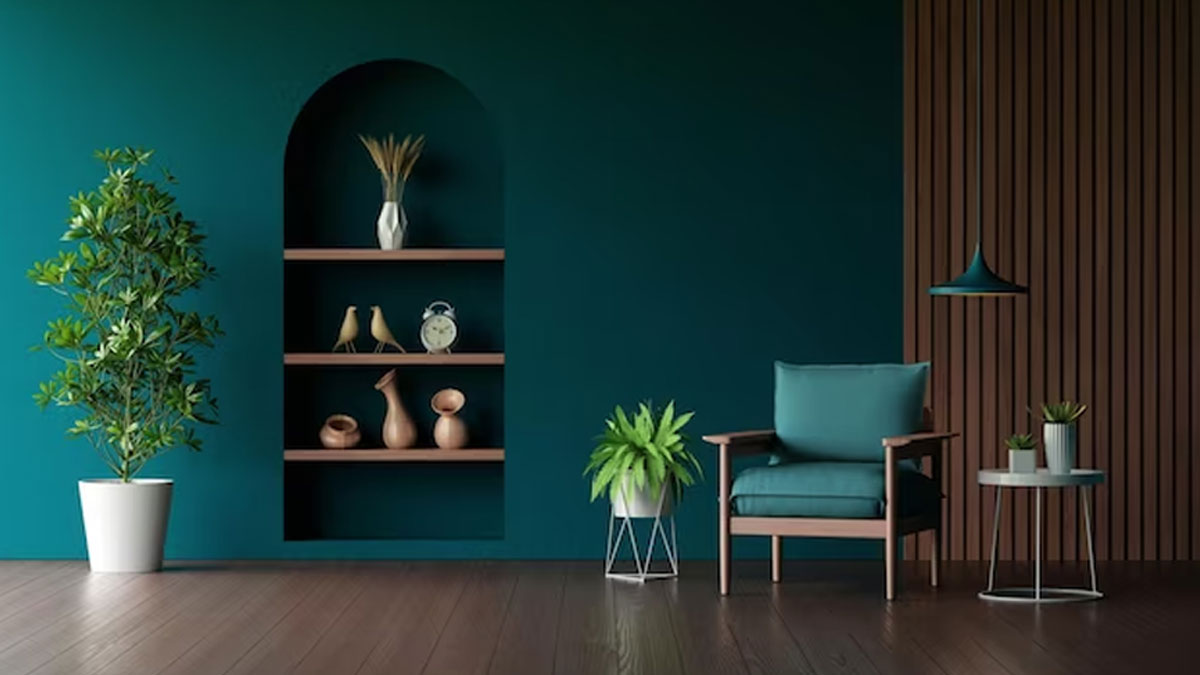
Decorating a home goes far beyond adding pretty accents. It’s about creating an environment that feels comfortable, functional, and personal. When thoughtfully planned, the right decor can enhance mood, improve daily routines, and increase the overall value of your space. This guide provides in-depth decor tips that balance design, psychology, and practicality, helping you build a home that truly reflects your lifestyle.
Understanding the Foundation of Good Decor
Before diving into specific strategies, it’s important to recognize that every design choice should serve both form and function. A well-decorated room isn’t just visually appealing; it also feels intuitive to live in. This means considering factors like lighting, flow, acoustics, and proportions alongside style.
Key foundational principles include:
- Balance: Achieving harmony between furniture, colors, and accessories.
- Scale: Choosing pieces that fit the size of the room and don’t overwhelm the space.
- Consistency: Ensuring each element contributes to a cohesive theme.
- Practicality: Designing spaces that not only look beautiful but also work for daily life.
Color Strategy and Psychology in Decor
Colors affect how people perceive space and how they feel in it. Choosing paint, fabrics, and accents without understanding this connection can lead to mismatched moods.
- Warm tones like terracotta, mustard, and rust promote coziness and are great for living rooms and dining areas.
- Cool tones like sage green, navy, and pale blue create calmness, ideal for bedrooms or study areas.
- Neutrals remain versatile foundations. Layering whites, grays, or beiges with textures ensures the space doesn’t feel flat.
- Accent colors bring personality. A single bold shade used sparingly can make an entire room feel curated.
A professional tip is to use the 60-30-10 rule: 60% dominant color, 30% secondary, and 10% accent. This creates balance without overwhelming the senses.
Lighting as the Silent Designer
Lighting is often underestimated, but it dictates the mood of a space as much as color does. Thoughtful lighting design involves layering three types:
- Ambient lighting: The primary source, usually ceiling-mounted fixtures or recessed lights, ensuring uniform brightness.
- Task lighting: Focused illumination for work areas such as reading nooks, kitchen counters, or vanity mirrors.
- Accent lighting: Decorative lighting like sconces, picture lights, or LED strips that highlight architectural details or art.
Energy-efficient LED bulbs with warm color temperatures around 2700K–3000K mimic natural light and create a cozy atmosphere. For more dynamic spaces, dimmers allow one fixture to serve multiple moods.
Furniture Layout and Proportions
Even the most expensive furniture fails if it’s poorly placed. Effective layouts consider movement, interaction, and proportion.
- Leave at least 30–36 inches of walking space between large pieces.
- Position sofas and chairs to encourage conversation rather than only facing the TV.
- Use area rugs that extend under at least the front legs of sofas and chairs to anchor a seating area.
- In bedrooms, allow at least 24 inches of clearance on each side of the bed for comfort and accessibility.
A common mistake is buying oversized furniture for smaller rooms. Instead, opt for modular or multi-purpose pieces that maximize functionality without crowding the space.
Wall Decor and Art Placement
Art transforms walls from empty planes to storytelling surfaces. However, scale and placement determine whether it feels intentional or random.
- Center art at 57–60 inches from the floor to align with average eye level.
- In gallery walls, maintain consistent spacing of 2–4 inches between frames.
- Oversized art can serve as a room’s focal point, while smaller pieces work best in groupings.
- Mirrors strategically placed across windows can expand natural light and make rooms feel larger.
Texture and Material Mixing
A room decorated with a single material or finish can feel one-dimensional. Mixing textures introduces depth and character.
Examples include:
- Pairing smooth leather with soft knits.
- Using natural stone alongside warm woods.
- Balancing metallic accents with matte ceramics.
- Layering rugs, throws, and cushions for tactile variety.
Texture isn’t only about touch; it also impacts how light interacts with surfaces. Glossy finishes reflect and brighten, while matte finishes create grounded, calming atmospheres.
Incorporating Biophilic Design
Biophilic design integrates natural elements into interiors, proven to reduce stress and increase productivity.
- Plants: From large fiddle-leaf figs to hanging pothos, greenery improves air quality and brings vitality indoors.
- Natural materials: Incorporating wood, rattan, linen, and stone connects the home to nature.
- Daylight maximization: Using sheer curtains, skylights, or reflective surfaces enhances exposure to natural light.
- Organic shapes: Curved furniture, circular rugs, or irregularly shaped tables mimic natural forms and soften rigid architecture.
Decor Tips for Small Spaces
Compact areas demand smart solutions. Aesthetic choices must double as functional ones.
- Opt for furniture with storage, like ottomans or platform beds.
- Use vertical space with tall shelves and wall-mounted desks.
- Stick to lighter color palettes to make rooms feel open.
- Place mirrors opposite windows to create the illusion of depth.
- Foldable and nesting furniture can adapt rooms to multiple purposes.
Seasonal and Rotational Decor
Updating decor seasonally prevents spaces from feeling stagnant without requiring full redesigns.
- Spring and summer: Light linens, pastel colors, floral prints, and fresh greenery.
- Fall and winter: Warm blankets, rich jewel tones, and layered textures like velvet or wool.
- Year-round: Swapping pillow covers, rugs, or curtains offers cost-effective refreshes.
This approach not only adapts your home to changing weather but also keeps it aligned with shifting moods and traditions.
Advanced Decor Strategies
For those who want to move beyond basics, integrating advanced techniques adds sophistication.
- Zoning with rugs: Open-plan layouts benefit from rugs that define dining, lounge, and work areas.
- Architectural accents: Crown moldings, wainscoting, and ceiling beams add timeless character.
- Statement ceilings: Painted, wallpapered, or wood-paneled ceilings create unexpected focal points.
- Smart home integration: Automated blinds, adjustable lighting, and smart thermostats balance technology with comfort.
- Acoustic awareness: Adding fabric wall panels, rugs, and curtains reduces echo and creates a more intimate feel.
FAQs on Decor Tips
How do I make my home decor look expensive on a budget?
Focus on quality over quantity. Invest in timeless pieces like a sturdy sofa or elegant light fixture and complement them with affordable accents. Decluttering also instantly elevates a space.
What is the biggest mistake people make when decorating?
Choosing furniture or decor items without measuring. Oversized pieces overwhelm a space, while undersized ones make it feel incomplete. Always map out dimensions before buying.
How often should I update my home decor?
While there’s no strict timeline, small updates every season and larger refreshes every 3–5 years keep your home feeling current without being wasteful.
What’s the best way to blend different decor styles?
Identify a unifying element, such as a consistent color palette or recurring material. This allows modern, vintage, or rustic pieces to coexist without clashing.
How can lighting improve small spaces?
Layering light sources prevents shadows that make rooms look smaller. Wall sconces and floor lamps can replace bulky fixtures and free up floor or ceiling space.
Should I follow trends when decorating?
Trends can inspire, but they should never dictate your entire design. Use them sparingly in accessories or temporary pieces so your decor doesn’t feel outdated quickly.
