

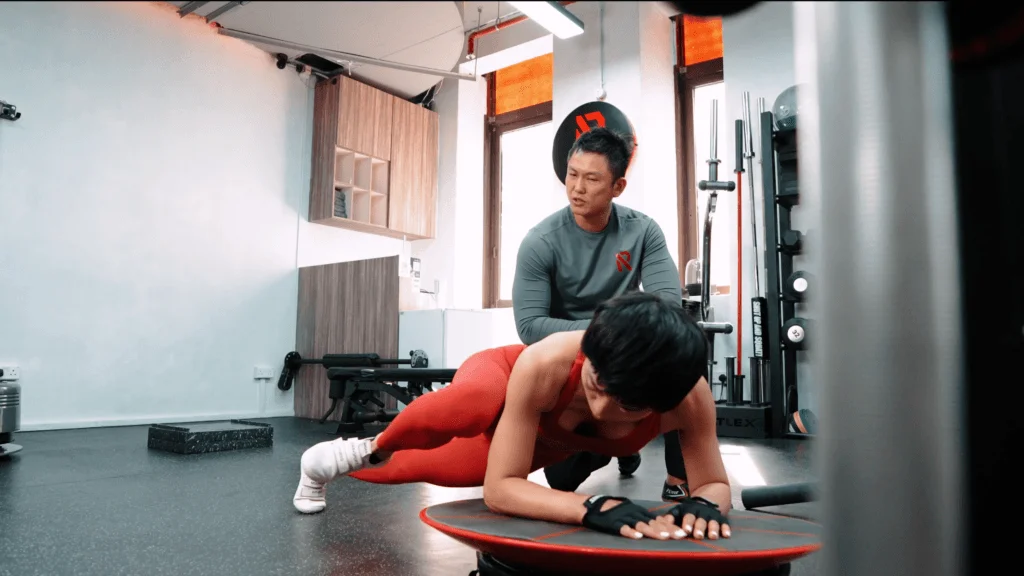
Fitness retailers, social media trends and influencer recommendations often convince people to buy more equipment than they actually need. Many Singaporeans end up filling their homes with gear they rarely use, or they purchase items that seem useful but do not support their training goals. In reality, a strategic approach guided by a trained personal fitness trainer singapore helps clients build a minimalist toolkit that is cost effective, practical and aligned with their actual needs rather than marketing hype.
The truth is that most people only require a handful of high quality tools to achieve real progress in strength, stability and mobility. The rest is often unnecessary clutter. Whether someone trains at home, travels frequently, or uses a commercial gym, a smart shopping strategy ensures every purchase is meaningful. This article explores how a specialised trainer structures equipment recommendations so clients spend wisely and avoid common mistakes that lead to wasted money and poor training outcomes.
Why Many People Waste Money on Fitness Equipment
Fitness purchases are often driven by impulse rather than strategic planning. Promotions, online ads and influencer endorsements make it easy for consumers to believe they need the latest tool, gadget or device.
Common equipment buying mistakes include:
- Purchasing equipment that does not match training goals
- Buying items too advanced for their current level
- Ordering equipment that takes up space but adds little value
- Over investing in novelty products
- Accumulating duplicates of the same type of equipment
- Following trends instead of building essentials
A personal trainer helps clients avoid these mistakes by identifying what is genuinely needed.
How a Trainer Evaluates What You Already Have
Before recommending anything new, trainers assess the client’s existing setup at home or in the gym. This prevents unnecessary purchases and helps build a streamlined equipment list.
Step 1: Reviewing Current Equipment
Clients often already have useful tools such as dumbbells, yoga mats or resistance bands without realising how to use them effectively.
Step 2: Assessing Training Environment
The available space influences what equipment is practical. For example, landed homes allow for larger items, while HDB flats require compact solutions.
Step 3: Matching Tools to Training Goals
A trainer evaluates the client’s objectives such as:
-
Strength building
-
Weight management
-
Posture improvement
-
Mobility enhancement
-
Hybrid home and gym training
This ensures every purchase serves a clear purpose.
Building a Minimalist Fitness Toolkit
Minimalist fitness shopping focuses on quality over quantity. A well planned toolkit covers strength, mobility, core stability and daily movement.
Essential Equipment for Home Training
1. Adjustable Dumbbells
These replace entire racks of fixed weight dumbbells, saving space and money.
2. Resistance Bands
Perfect for activation, mobility, warm ups and light strength work.
3. A Good Yoga or Training Mat
Provides cushioning, grip and comfort for floor based exercises.
4. A Foam Roller
Useful for recovery, mobility and relieving muscle tension.
5. A Set of Mini Loop Bands
Excellent for glute activation and lower limb strengthening.
6. Sliders or Gliding Discs
Small and inexpensive tools that increase core training intensity.
These items cover almost every category of training without cluttering the home.
Optional Add Ons Depending on Goals
Kettlebells
Ideal for power, grip strength and dynamic training.
Adjustable Bench
Useful for upper body strength, step ups and core work when space allows.
Suspension Trainer
Perfect for full body strength and stability with minimal equipment.
Trainers recommend add ons only when they align with long term goals.
How Trainers Help Clients Shop Wisely
A personal trainer acts as a consultant who helps clients avoid spending on unnecessary items. Their guidance includes:
Quality Over Quantity
A trainer emphasises buying durable equipment that lasts longer instead of repeatedly replacing cheap items.
Avoiding Overhyped Gadgets
Many trending products look impressive but provide little long term value. Trainers help identify what genuinely works.
Choosing Versatile Tools
Versatile equipment supports more exercises and reduces the need for additional purchases.
Safe Material and Build Quality
Cheap equipment may break or cause injury. Trainers know which brands and materials are safe.
Budget Friendly Recommendations
Trainers guide clients to suitable alternatives that match both goals and budget.
How a Minimalist Toolkit Improves Training Consistency
When clients avoid clutter and excess, they create a smoother training experience. The simplicity of minimalist shopping promotes consistency.
Faster Session Start
With fewer tools, clients spend less time setting up and more time training.
Less Decision Fatigue
Minimal equipment reduces distractions and keeps focus on quality movement.
Easier Storage and Accessibility
Tools that are easy to reach increase training adherence.
Better Understanding of Technique
Clients learn to use core tools more effectively instead of constantly switching equipment.
A Minimalist Approach for Gym Users
Even clients who train in commercial gyms benefit from minimalist shopping because they do not need to rely on complex machines.
Trainers help gym users choose:
-
Wrist straps or grips for heavy lifts
-
Proper training shoes
-
A lifting belt if necessary
-
A reliable water bottle
-
Comfortable apparel suitable for Singapore humidity
These are practical items that enhance performance and safety without unnecessary spending.
Real World Scenarios of Smart Fitness Shopping
Case 1: The Client with Unused Equipment
A woman in her 30s had accumulated more than ten fitness items she rarely used. After a shopping audit, she kept only five essentials and saw better training consistency.
Case 2: The Executive with Limited Space
A busy professional living in an HDB flat maximised his 2 metre space using adjustable dumbbells and bands. His training quality improved significantly.
Case 3: The Frequent Traveller
A client who travelled weekly used a compact toolkit of loop bands and sliders, staying consistent even on long trips.
The Role of Habit Building in Minimalist Fitness
Minimalist setups make habit formation easier. Trainers incorporate:
-
Travel friendly routines
-
Simple strength blocks
-
At home mobility flows
-
Low setup circuits
-
Short activation drills
This supports clients who struggle with time and space limitations.
Why Many Clients Prefer Supportive Gym Environments
A well equipped gym allows clients to complement their minimalist home toolkit. Many choose to train in structured settings such as True Fitness Singapore to access premium equipment while maintaining simplicity at home.
Long Term Advantages of Minimalist Fitness Shopping
A minimalist fitness approach results in:
-
Better training discipline
-
Less clutter and distraction
-
More intentional movement
-
Improved financial efficiency
-
Clearer progression in training
-
Higher adherence to routines
-
Greater appreciation of essential tools
Minimalism supports long term fitness success.
FAQs
Do I need a lot of equipment to get strong?
No. Strength gains come from structured programmes, not from owning many tools.
Can minimalist setups work for beginners and advanced clients?
Yes. A few adjustable tools can support all training levels with proper programming.
Should I buy trending fitness gadgets?
Only if they align with your goals. Most trends are not necessary for long term progress.
Is home training effective with minimal equipment?
Absolutely. Many clients achieve excellent results with simple setups.
How do I know if a purchase is worth it?
A personal trainer helps ensure each item supports your specific goals and training plan.
