

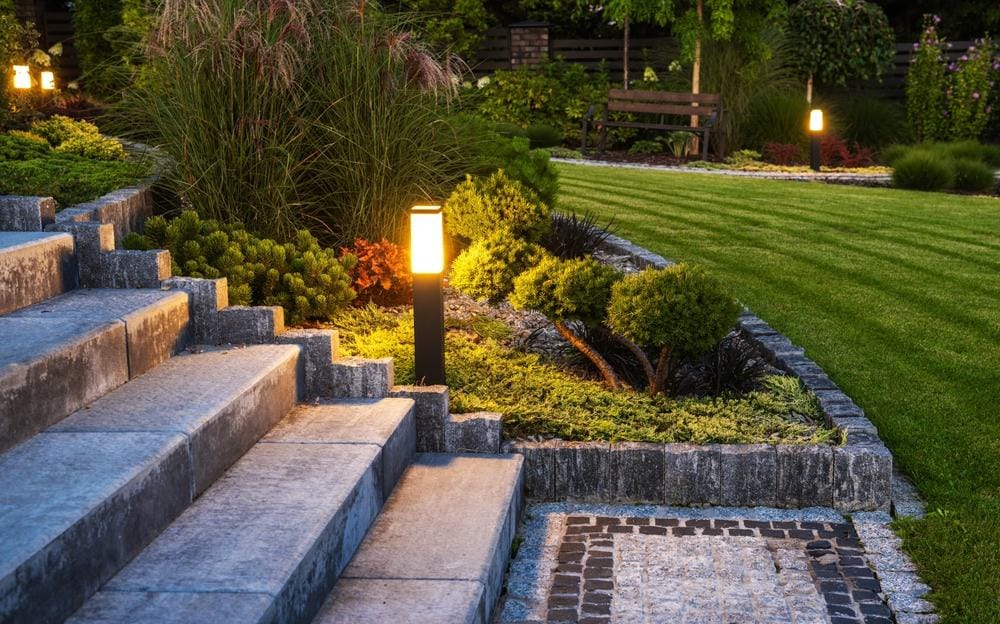
Understanding the Concept of Landscape
The word landscape carries both artistic and ecological depth. It represents the physical environment we inhabit and the cultural ways in which we interpret and shape that environment. A landscape is not just a scenic view; it is a living system made of soil, plants, water, climate, wildlife, and human activity. When professionals speak about landscape, they refer to both the natural processes that form terrains and the design practices that intentionally sculpt those terrains for functionality and aesthetics.
Historical Roots of Landscape Design
Landscape shaping is as old as civilization. Ancient Persians built enclosed gardens symbolizing paradise, while Chinese dynasties developed garden philosophies that imitated natural scenery. European Renaissance estates showcased geometric gardens that reflected power and order. Across cultures, landscapes have always reflected human values, whether spirituality, authority, or harmony with nature.
The Science Behind Landscapes
A landscape is not only visual art; it is a scientific framework influenced by geology, hydrology, botany, and ecology. Key elements include:
- Topography: Determines how water flows, where plants thrive, and how structures integrate.
- Soil composition: Affects plant selection, erosion control, and construction stability.
- Climate: Dictates vegetation zones, irrigation requirements, and sustainable design choices.
- Biodiversity: Supports ecosystems, pollination, and resilience against pests.
By understanding these scientific aspects, designers create landscapes that are sustainable, functional, and adaptable.
Principles of Landscape Design
Landscape design is guided by universal principles that balance beauty with practicality:
- Unity and harmony: Ensuring all elements connect visually and functionally.
- Balance: Combining symmetrical or asymmetrical arrangements for stability.
- Proportion: Keeping scale consistent with surrounding spaces and human use.
- Rhythm and repetition: Using patterns of plants, textures, or pathways to guide movement.
- Focal points: Creating areas that capture attention, such as sculptures, water features, or unique trees.
Types of Landscapes
Different settings require different approaches, and landscapes can be categorized as follows:
Natural Landscapes
These emphasize preservation of existing ecosystems like wetlands, forests, and grasslands. Interventions are minimal, focusing on trails, viewing points, or conservation measures.
Urban Landscapes
In cities, landscapes balance concrete with greenery. Parks, green roofs, street plantings, and community gardens improve air quality, reduce heat islands, and offer recreational spaces.
Residential Landscapes
Homes benefit from functional and aesthetic outdoor spaces. These include lawns, patios, flowerbeds, and vegetable gardens tailored for comfort and lifestyle.
Cultural Landscapes
Heritage sites, temples, palaces, and historical gardens form cultural landscapes. They preserve stories of human interaction with land across centuries.
Commercial and Institutional Landscapes
Universities, hotels, hospitals, and business complexes often integrate landscapes to improve user experience, regulate microclimates, and project prestige.
Sustainability in Landscape Practices
Modern landscape planning emphasizes eco-friendly strategies. Water conservation, renewable materials, and native planting reduce maintenance and protect ecosystems. Sustainable practices include:
- Rainwater harvesting systems for irrigation
- Drought-resistant plants
- Permeable pavements to prevent runoff
- Composting and organic soil treatments
- Renewable energy lighting in outdoor spaces
Psychological and Social Impact of Landscapes
Landscapes deeply affect human well-being. Research shows that green environments reduce stress, improve cognitive function, and encourage social interaction. For instance:
- Healing gardens in hospitals promote recovery.
- Community parks reduce crime rates by fostering belonging.
- Workplace landscapes increase employee satisfaction and productivity.
Technological Innovations in Landscape Design
Technology has transformed how landscapes are envisioned and managed. Tools like GIS mapping, drones, and 3D modeling software allow accurate analysis of terrain and simulations of design outcomes. Smart irrigation systems, solar lighting, and sensor-based soil monitoring improve efficiency and sustainability.
Challenges in Landscape Development
Despite its benefits, landscape development faces challenges:
- Urbanization: Rapid construction reduces open spaces.
- Climate change: Alters ecosystems, rainfall patterns, and plant viability.
- Resource limitations: Water scarcity and soil degradation complicate planning.
- Maintenance costs: Large projects require continuous investment.
Overcoming these issues requires collaboration between ecologists, engineers, architects, and communities.
The Role of Landscape in Climate Resilience
Landscapes are critical tools in adapting to climate change. Green belts act as carbon sinks, wetlands buffer floods, and urban forests regulate temperatures. Strategic landscape planning can mitigate disasters, restore ecosystems, and support sustainable development goals.
FAQs About Landscape
Why is landscape important in urban areas?
Urban landscapes improve air quality, reduce heat, and provide spaces for recreation, relaxation, and social connection. They help cities remain livable despite high population density.
How does landscape influence mental health?
Natural landscapes reduce stress hormones, encourage outdoor activity, and improve mood. Regular exposure to greenery is linked to lower anxiety and depression rates.
What role do native plants play in landscape design?
Native plants adapt to local soil and climate, requiring less water and fewer chemicals. They also support local wildlife and biodiversity.
Can landscapes help combat climate change?
Yes, landscapes sequester carbon, reduce urban heat islands, and provide stormwater management solutions. Trees and green spaces are essential for environmental resilience.
What is the difference between landscape architecture and gardening?
Gardening focuses on small-scale planting and maintenance, while landscape architecture involves large-scale planning, design, and integration of natural and built environments.
How can homeowners create sustainable landscapes?
Homeowners can use drought-tolerant plants, install rainwater collection, choose permeable materials for pathways, and minimize chemical fertilizers for eco-friendly yards.
