

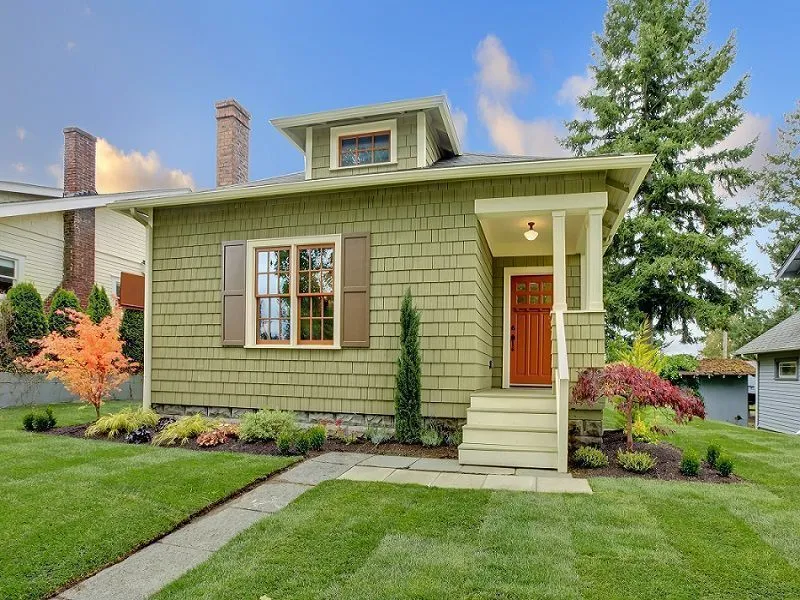
The exterior of a building is far more than its visual appearance. It serves as the protective shell that safeguards the structure against environmental stresses, defines architectural character, and plays a central role in energy efficiency and occupant comfort. A well-planned exterior requires thoughtful decisions about materials, finishes, performance standards, and aesthetics, ensuring long-term durability while complementing the surrounding environment.
The Role of Exterior in Architecture
Every architectural project, from residential homes to commercial complexes, begins with the understanding that the exterior is the first impression. It reflects the identity of the structure, communicates design intent, and adds value to the property. Beyond beauty, the exterior functions as a building envelope that manages moisture, air, heat, and noise, acting as the frontline defense against weather extremes.
An effective exterior must balance form and function. While curb appeal can boost property values, failure to consider climate resilience, sustainability, or maintenance can lead to costly repairs and reduced lifespan.
Essential Components of Exterior Systems
Walls and Cladding
The wall system is the backbone of any exterior. Popular options include brick, stucco, stone veneer, fiber cement, and engineered wood siding. Each material offers distinct benefits:
- Brick delivers timeless beauty, fire resistance, and low maintenance.
- Fiber cement siding resists moisture, insects, and decay while offering versatile finishes.
- Stone veneer provides natural elegance at a fraction of the weight and cost of full stone.
- Wood siding brings warmth but requires frequent sealing or staining.
Roofing
Roofing systems not only define a home’s profile but also shield interiors from rain, snow, and heat. Asphalt shingles dominate in affordability, while metal roofing has gained attention for its longevity and energy efficiency. In wildfire-prone areas, fire-rated roofing materials like clay tiles or treated shakes are crucial.
Windows and Doors
Openings in the exterior envelope are often the weakest points if improperly designed. High-performance windows with insulated glass units, low-E coatings, and quality weatherstripping improve thermal comfort. Entry doors crafted from fiberglass or steel balance strength with style.
Exterior Insulation
Thermal bridging can waste significant energy if exteriors lack continuous insulation. Advanced systems use rigid foam boards, mineral wool, or spray-applied products to enhance R-values and reduce energy bills.
Climate Considerations in Exterior Design
Exterior performance is highly climate-dependent. What works in Arizona’s arid deserts may fail in Florida’s humid subtropics.
- Cold regions require exteriors with superior insulation, moisture control, and ice-dam prevention strategies.
- Hot, arid regions demand reflective roofing, shaded facades, and minimal thermal mass exposure.
- Coastal climates require corrosion-resistant materials and hurricane-rated assemblies.
- Urban areas benefit from soundproof cladding and green exterior solutions like vertical gardens.
Modern Exterior Design Trends
Sustainable Materials
Eco-conscious construction favors recycled metal, reclaimed wood, and low-VOC finishes. Green facades incorporating living walls or moss panels improve air quality while lowering urban heat.
Minimalist Aesthetics
Clean lines, muted tones, and seamless integration of glass are shaping contemporary exteriors. Large windows, flush-mounted panels, and frameless glass railings maximize natural light and connection to the outdoors.
Mixed-Material Exteriors
Blending stone, glass, and metal adds texture and depth. A carefully executed combination prevents monotony and creates a signature look.
Smart Exteriors
Technology now integrates directly into the building envelope. From solar-integrated roofing to automated shading systems, exteriors are evolving into energy producers and comfort regulators.
Durability and Maintenance Considerations
An exterior’s true success is measured over decades. Choosing the right materials is only the first step—maintenance practices determine longevity.
- Regular washing prevents mold and grime buildup.
- Timely repainting or resealing extends the life of wood and fiber cement.
- Gutter cleaning and roof inspection help avoid water infiltration.
- Caulking checks on windows and doors minimize drafts and leaks.
Low-maintenance exteriors, though initially more expensive, often reduce lifecycle costs significantly.
Safety and Regulatory Factors
Building codes dictate critical exterior requirements. Wind load resistance, fire ratings, and seismic considerations vary across jurisdictions. For example:
- Hurricane-prone regions mandate impact-resistant glazing and roof tie-downs.
- Wildfire zones require ember-resistant vents and Class A roofing.
- Earthquake-sensitive regions benefit from lightweight cladding systems and flexible joints.
Failing to comply can lead to fines, insurance issues, or unsafe living conditions.
Landscaping and Exterior Harmony
A well-designed exterior doesn’t end at the walls. Landscaping ties the building to its context, creating a cohesive environment. Thoughtful exterior planning incorporates:
- Walkways and driveways that complement facade materials
- Outdoor lighting for safety and ambiance
- Native plants that require minimal irrigation
- Hardscaping features like patios, retaining walls, and fences
Together, architecture and landscape form a seamless narrative of design.
Future of Exterior Innovation
The future promises exteriors that are smarter, greener, and more adaptive. Emerging materials such as self-healing concrete, nanocoatings that repel dirt and water, and dynamic glass that adjusts tint automatically are redefining possibilities. Architects and builders increasingly view exteriors as living systems—responsive, efficient, and resilient.
FAQs on Exterior Design and Performance
What exterior material lasts the longest?
Metal roofing and brick cladding are among the most durable, often lasting 50 years or more with minimal maintenance.
How does exterior design affect energy bills?
A well-insulated exterior with quality windows reduces heating and cooling costs significantly by preventing thermal leakage.
Is it worth investing in impact-resistant windows?
Yes, especially in coastal or storm-prone areas. They provide protection against debris, lower insurance premiums, and improve security.
Can exterior color influence indoor comfort?
Absolutely. Light-colored exteriors reflect heat, keeping homes cooler in hot climates, while dark shades can absorb warmth in colder regions.
How often should siding be replaced?
Vinyl siding lasts about 20–40 years, fiber cement can exceed 50 years, and wood varies widely depending on maintenance.
What’s the best way to combine modern and traditional exteriors?
Use transitional design principles—pair classic brick or stone with modern glass or metal elements to balance heritage with innovation.
