

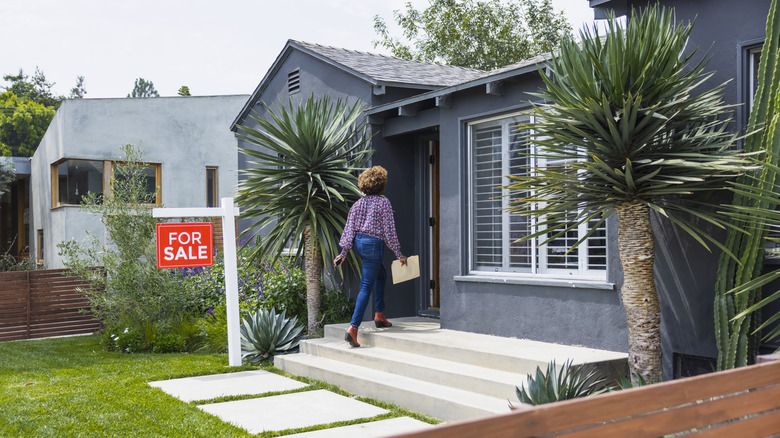
When you are preparing to list a property on the market, it is important to recognise that buyers do not simply purchase bricks and mortar. They buy into a lifestyle, a sense of security, and long-term comfort. The word maison translates directly to “house” in English, but in the real estate context it carries emotional weight. For many families, owning a maison is not only a financial investment but also the foundation of their lives. To attract the right buyers, sellers need to understand the features, upgrades, and qualities that are most valued in today’s housing market.
Location, the Unchanging Priority
For generations, the phrase “location, location, location” has defined real estate value, and it remains true today. A house in a desirable neighbourhood can command a premium, even if it is smaller or older than competing properties. Buyers often focus on:
-
Proximity to schools and universities: Families with children prioritise quality education and safe walking distances.
-
Access to transportation: Easy commuting routes, nearby train stations, and bus lines add significant convenience.
-
Community amenities: Parks, gyms, supermarkets, and healthcare facilities enhance the desirability of an area.
-
Neighbourhood reputation: Safety, low crime rates, and friendly community culture influence decisions more than square footage alone.
Even the most beautifully renovated house will struggle to sell quickly if the location does not meet a buyer’s lifestyle needs.
Design and Layout That Matches Modern Living
Today’s buyers pay close attention to how a house is designed. They want spaces that flow naturally and accommodate both family life and entertaining. Some of the most requested design elements include:
-
Open-plan living: Combining kitchen, dining, and living areas has become standard.
-
Natural light: Large windows, skylights, and glass doors create a sense of spaciousness.
-
Functional kitchens: A modern, well-equipped kitchen is often the deciding factor for buyers.
-
Dedicated home offices: Remote and hybrid work have made this feature highly desirable.
-
Flexible spaces: Rooms that can transition between uses, such as a guest room that doubles as a study, add long-term value.
A well-thought-out floor plan can make a modest-sized house feel generous, while poor design can make even large homes feel restrictive.
Energy Efficiency and Sustainability
Environmental awareness and rising energy costs have shifted buyer preferences. A house that demonstrates strong energy efficiency stands out in the market. Key features that influence buyers include:
-
Double or triple-glazed windows to retain heat and reduce noise.
-
High-grade insulation in walls and attics.
-
Energy-efficient heating and cooling systems.
-
Solar panels or renewable energy integrations.
-
Smart thermostats and energy monitoring tools.
Sellers who invest in these upgrades can highlight not only reduced utility bills but also long-term sustainability, appealing to eco-conscious buyers.
Comfort and Quality of Life Features
While basics such as square footage and number of bedrooms matter, the finer details often close the deal. Buyers are drawn to houses that prioritise comfort and quality of life. Popular features include:
-
Outdoor living areas: Patios, balconies, and gardens provide space to relax and entertain.
-
Storage solutions: Built-in wardrobes, basements, and attics make daily living easier.
-
Bathrooms: Multiple bathrooms, particularly en-suites, add convenience.
-
Safety: Secure doors, modern locks, and neighbourhood watch presence give peace of mind.
-
Parking: A private driveway or garage is a valuable asset, especially in urban areas.
These elements transform a house into a home that suits daily routines and future growth.
The Role of Technology in Modern Homes
Smart technology has become an integral part of home buying considerations. A property that offers digital convenience often appeals to younger and tech-savvy buyers. Examples include:
-
Integrated smart lighting and heating systems.
-
Voice-activated assistants compatible with home devices.
-
High-speed internet connectivity and fibre-ready infrastructure.
-
Security systems with cameras and mobile alerts.
-
Automated blinds, gates, or garage doors.
While not every buyer demands high-tech integration, properties that provide it often differentiate themselves in competitive markets.
Renovations and Upgrades That Matter
Not all upgrades are equal. Certain renovations add clear value, while others may not return the investment. Sellers preparing a house for sale should focus on improvements that buyers consistently appreciate:
-
Kitchen upgrades: Modern appliances, ample counter space, and stylish finishes.
-
Bathroom remodels: Walk-in showers, updated tiles, and double sinks.
-
Flooring: Hardwood or high-quality laminate often outperforms carpets in buyer perception.
-
Fresh paint: Neutral tones create a clean slate for buyers.
-
Exterior improvements: A new roof, updated siding, or refreshed landscaping boost curb appeal.
These targeted upgrades can generate stronger offers and faster sales without excessive costs.
Emotional Appeal, Selling More Than Walls
It is often said that buyers make emotional decisions first and rational ones later. A house that feels welcoming creates a lasting impression. Simple touches such as fresh flowers, warm lighting, and pleasant scents during viewings contribute to an emotional response. Staging a house to tell a story—for example, a cosy reading nook or a family dining table—helps buyers imagine themselves living there. Once they are emotionally attached, negotiations often lean in the seller’s favour.
The Importance of Documentation and Transparency
Buyers also value peace of mind. Being prepared with documentation makes a property more attractive. Sellers should gather:
-
Proof of recent renovations and warranties.
-
Energy performance certificates.
-
Property tax records.
-
Compliance certificates for extensions or major works.
Providing this information upfront demonstrates honesty, reduces delays, and builds buyer trust, which is essential for closing a deal.
How Sellers Can Highlight Value in Listings
An effective listing does not simply describe a house; it markets a lifestyle. To make your house stand out:
-
Lead with unique features, such as a south-facing garden or a chef’s kitchen.
-
Use professional photography to showcase natural light and space.
-
Create a virtual tour to engage remote buyers.
-
Emphasise location benefits, such as walking distance to key amenities.
-
Write descriptions that inspire buyers, focusing on the experience of living there rather than just the specifications.
The more you present your house as desirable and move-in ready, the faster it is likely to attract genuine offers.
